

Join Community Brigade
Meet Our Volunteers
Building Resilience Together
Step forward and become part of something that truly matters. As a Community Brigade volunteer, you’ll gain the training and skills needed to strengthen the resilience of your community in times of crisis. Whether on the ground or behind the scenes, your contribution has real impact. If you’re ready to serve with purpose and stand with others when it counts most, we invite you to apply.
We are now recruiting volunteers in Field and Support roles:
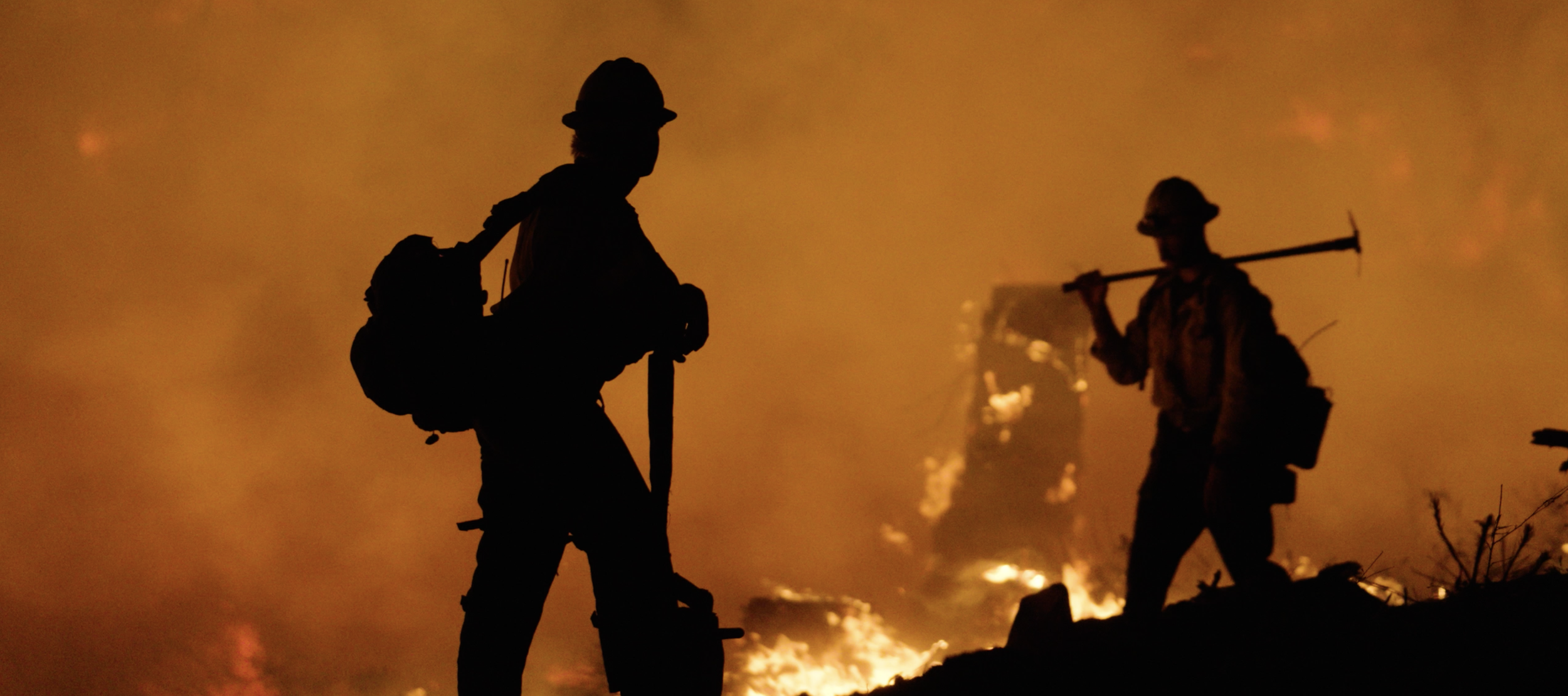
Field Volunteers → On-the-ground fire response in real conditions. Learn more ⏵
Support Volunteers → Essential operational support behind the scenes. Learn more ⏵
Volunteer Application Process
Application
Submit an application to join your local Community Brigade.
⏷
Interview
Meet with our Leadership Team so we can learn more about you and if you’re a good fit.
⏷
Approval
Qualified applicants are invited to move forward.
⏷
Register for Online Dashboard
Create an account to access trainings, resources, and updates.
⏷
Trainings
Attend trainings to build the skills needed for emergency readiness.
⏷
Active On-Call Status
Join the roster and be ready to support when your community needs you.
Field Volunteers
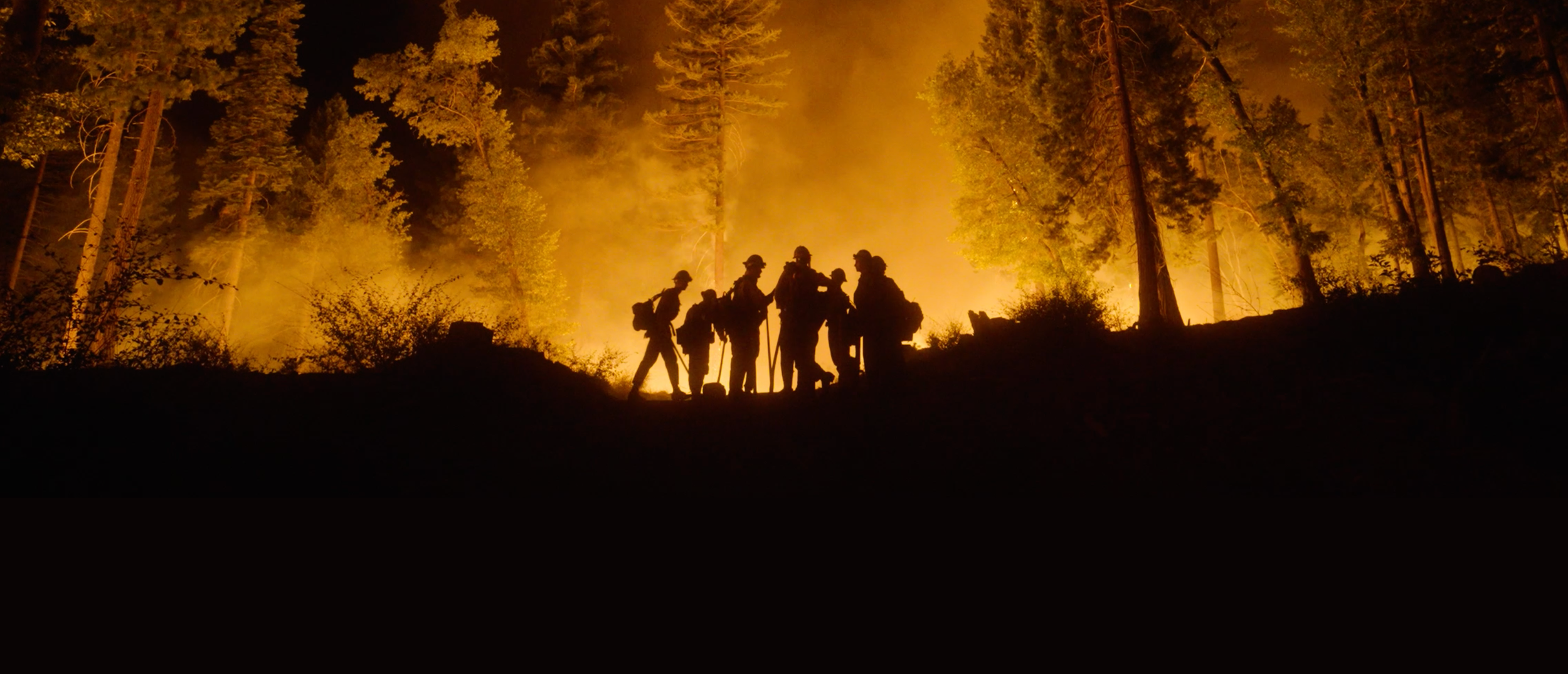
Community Brigade Field Volunteers are trained to Firefighter II qualifications. They help fill the critical gap after the fire front has passed through an area under the direction of the County of Los Angeles Fire Department (LACoFD).
Field Volunteers assist with structure triage, ember control, mop-up operations, and evacuations, working to reduce structure loss, improve situational awareness, and strengthen overall incident response efforts.
Field Volunteer Requirements
Interview
Meet with Brigade leadership and LACoFD personnel to discuss your background, review program expectations, and determine whether the Community Brigade is a good fit for you.Arduous Duty Physical Fitness Pack Test
Walk 3 miles in under 45 minutes while carrying a 45-pound pack. This simulates a 16-hour steep terrain fitness level.Basic Field Training
Complete 100 hours of initial training, followed by one training weekend day every quarter to maintain readiness and skills.Required trainings – S-110 Basic Wildland Fire Orientation, S-130 Wildland Firefighting Training, S-190 Introduction to Wildland Fire Behavior, L-180 Human Factors in the Wildland Fire Service, ICS-100 Introduction to Incident Command System, ICS-200 Basic Incident Command System for Initial Response, ICS-700 An Introduction to the National Incident Management System (May be completed in advance online)
Support Volunteers
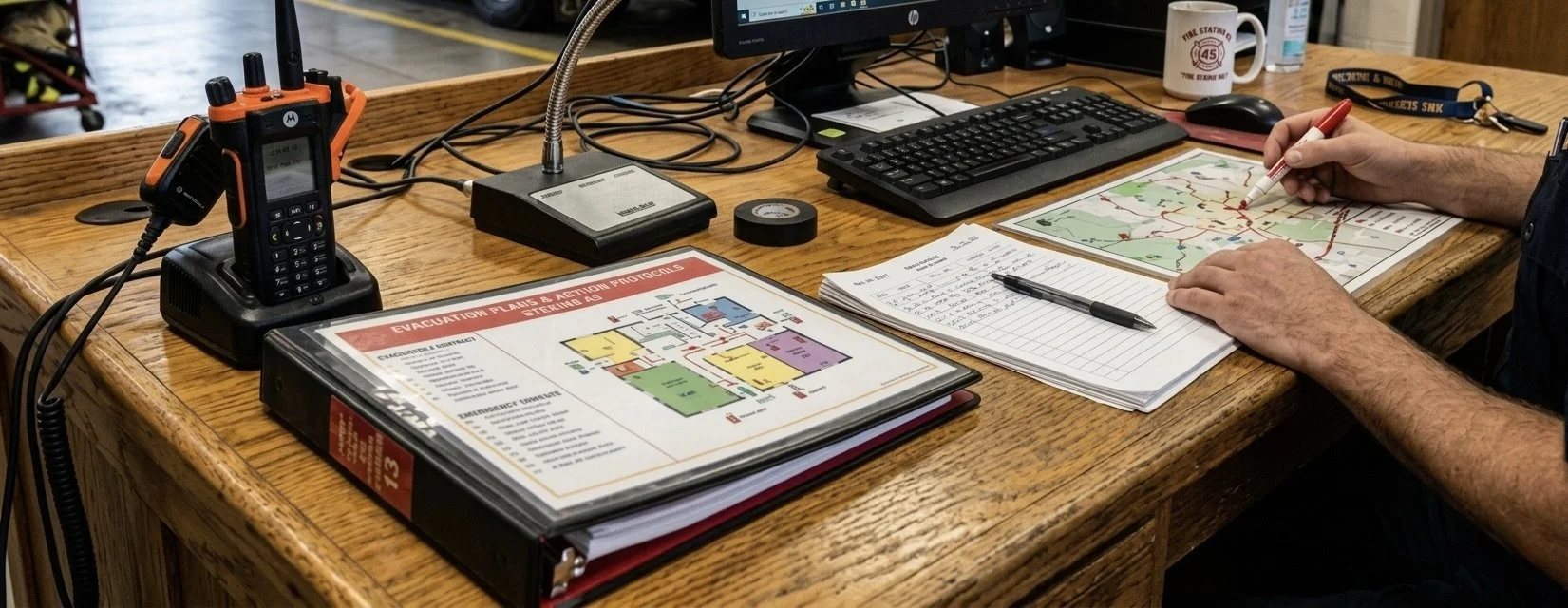
Community Brigade Support Volunteers provide the operational backbone that enables Field Volunteers to work effectively.
Support Volunteers assist with logistics, operations, planning, and finance—helping coordinate tools and equipment, food and supplies, incident planning, and cost tracking. They ensure field teams have everything they need to operate safely and efficiently.
Support Volunteer Requirements
Interview
Meet with Brigade leadership and LACoFD personnel to discuss your background, review program expectations, and determine whether the Community Brigade is a good fit for you.Support Training
24 hours of online training and 8 hours in-person training.
Trainings
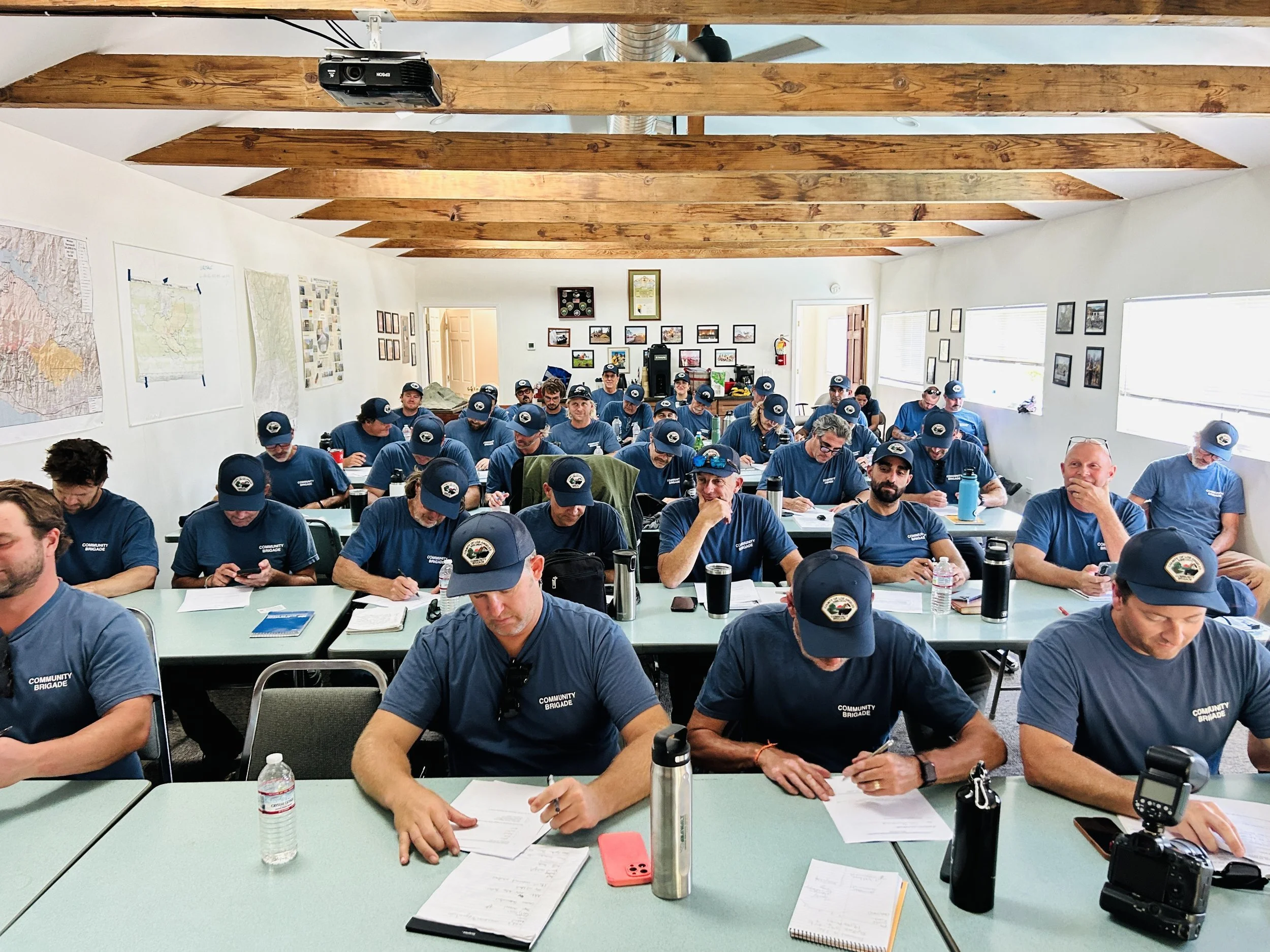
Training is where readiness is built. Through hands-on instruction, real-world simulations, and team-based exercises, volunteers develop the skills and discipline required to operate effectively when it matters most.
These nationally recognized certifications form the foundation of wildland firefighting and incident response. Each course builds knowledge in fire behavior and safety as well as practical training in coordinated operations within the Incident Command System.
2026 Training Dates
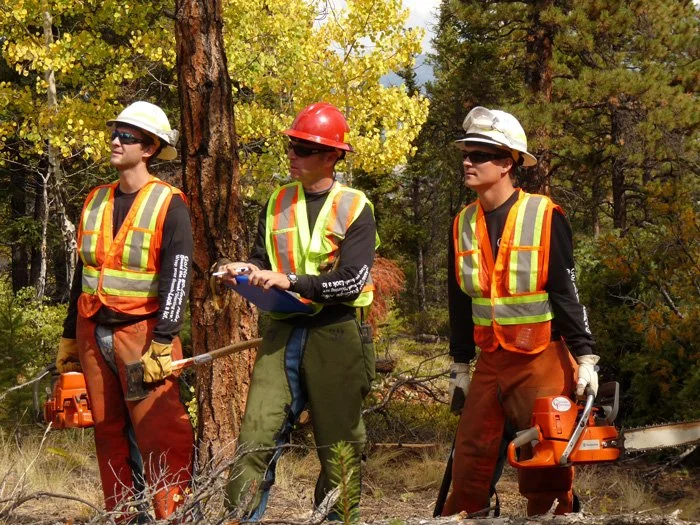
S-212 Wildland Chainsaw Operator
This course promotes safe and standardized chainsaw methods, techniques, and procedures for chainsaw operators from participating agencies, as well as guidance, common terms, definitions, and standardized procedures for wildland firefighting chainsaw use.
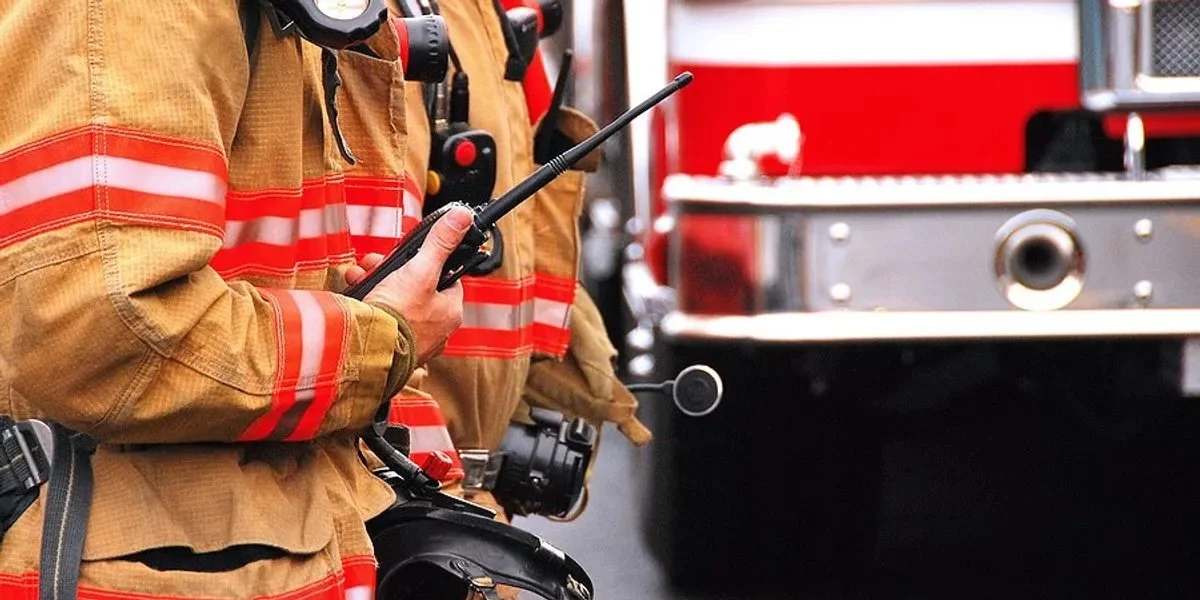
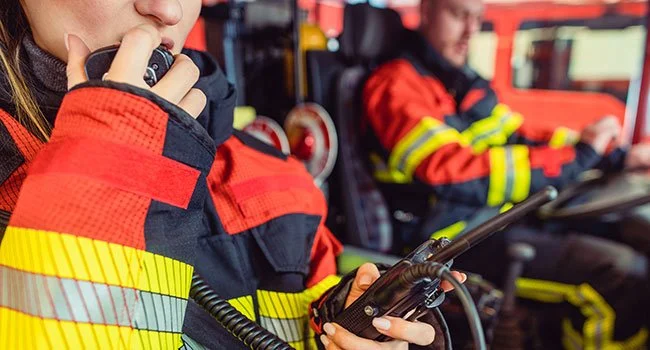
J-159 Radio Operator
This course provides participants with the knowledge and skills necessary to effectively operate radios within the Incident Command System. Topics include radio procedures, communication protocols, equipment operation, and maintaining clear and accurate communications during incidents. Emphasis is placed on message clarity, discipline on the air, and supporting incident operations through reliable communications.
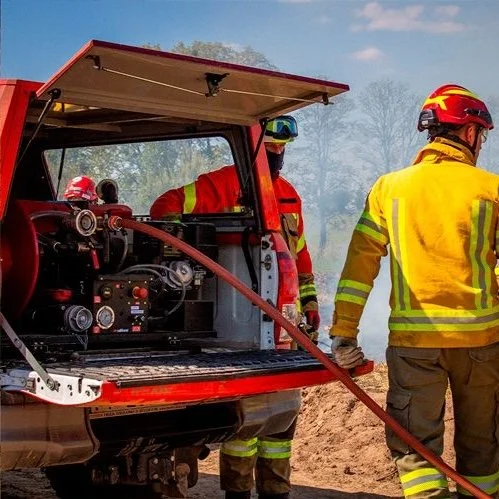
S-211 Portable Pumps
This course provides participants with the knowledge and skills necessary to design, set up, operate, troubleshoot, and shut down portable water delivery systems. Topics will include portable water delivery systems, equipment, roles and responsibilities, and system design and hydraulics. Participants are asked to wear their blue shirts for classroom sessions and full PPE for field training sessions.
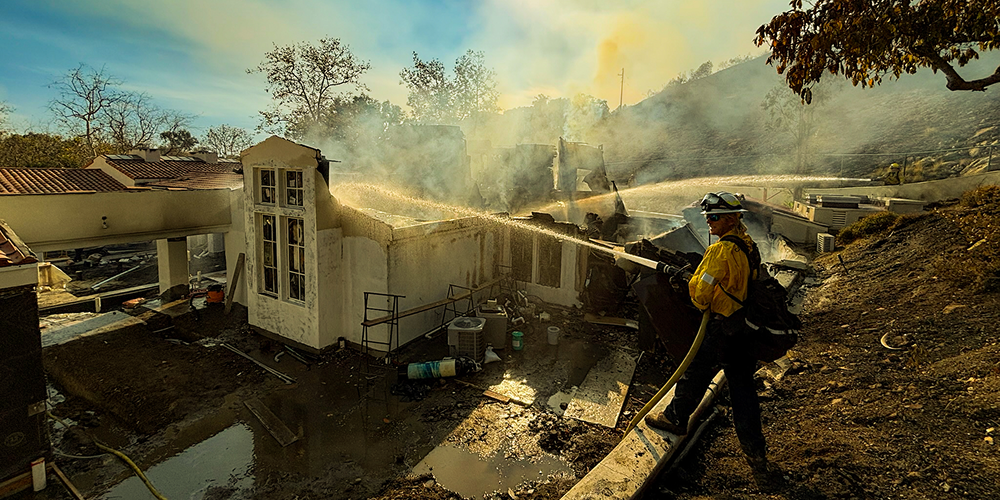
S-215 Urban Interface
This course provides participants with the knowledge and skills necessary to safely and effectively operate in the wildland–urban interface environment. Topics include structure triage, structure protection tactics, fire behavior in the interface, and tactical decision-making around homes and communities. Emphasis is placed on firefighter safety, situational awareness, and coordination with structural firefighting resources.
S-230 Crew Boss + S-231 Engine Boss
This course prepares participants to supervise and manage a single wildland fire resource such as a crew, engine, or similar unit. Topics include leadership and supervision, tactical decision-making, risk management, and effective communication within the Incident Command System. Emphasis is placed on safely directing personnel and resources while maintaining accountability and achieving incident objectives.
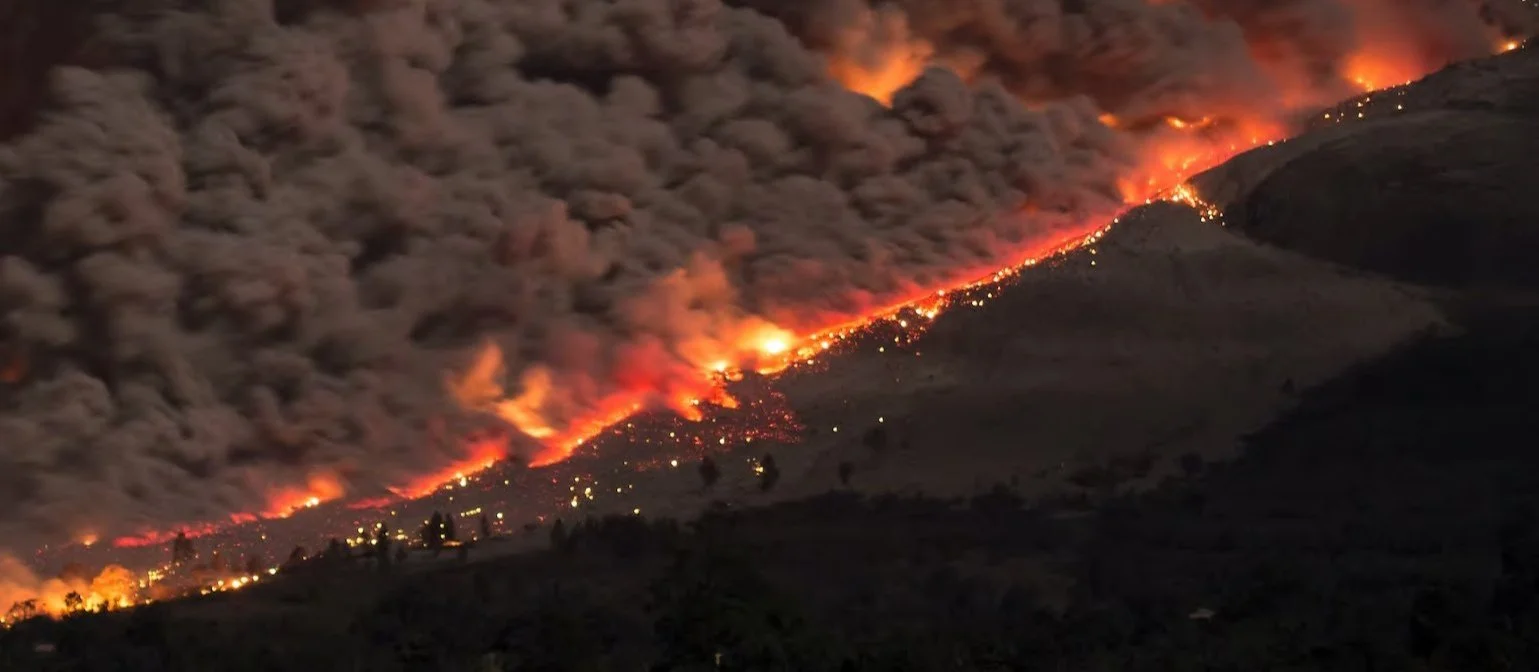
S-290 Intermediate Fire Behavior
This course provides participants with a deeper understanding of wildland fire behavior and the environmental factors that influence fire growth and spread. Topics include fire behavior prediction, fuel characteristics, weather influences, topography, and interpreting fire behavior outputs to support tactical decision-making. Emphasis is placed on applying fire behavior knowledge to improve situational awareness, safety, and operational effectiveness on the fireline.
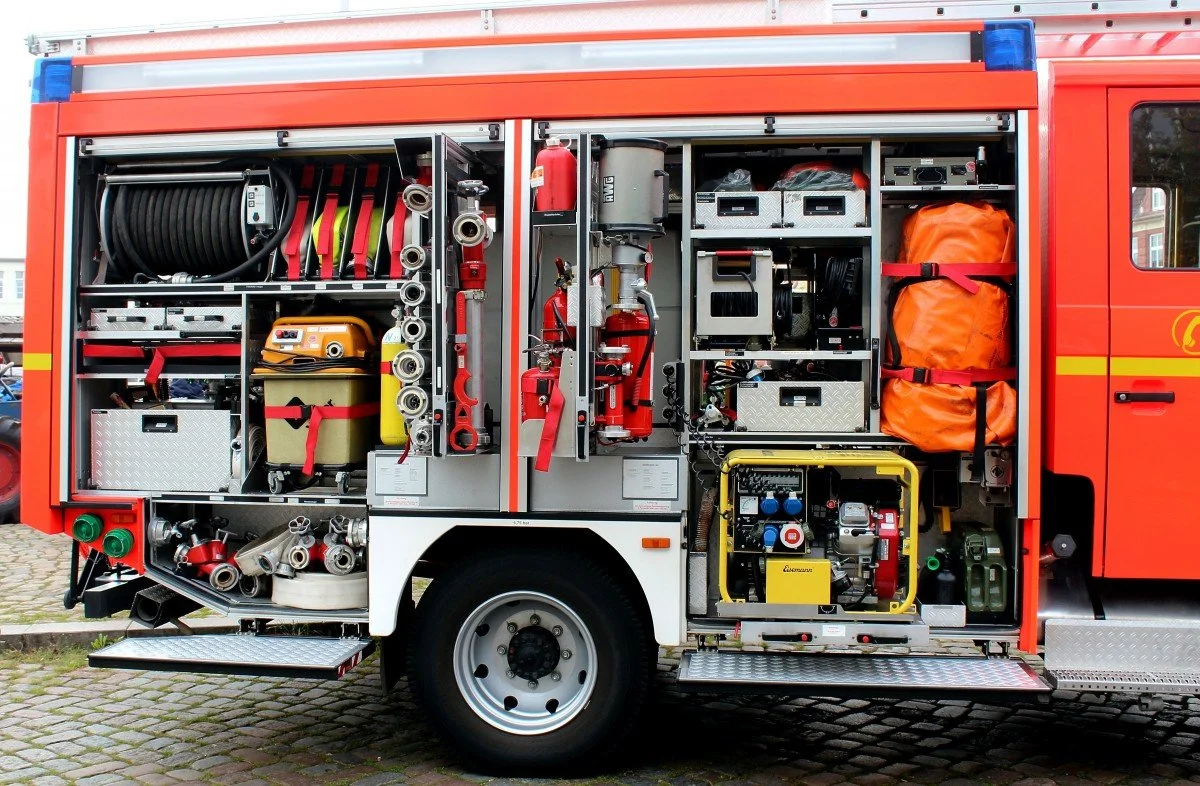
PMS-419 Engine Academy
This course provides participants with the knowledge and skills necessary to safely and effectively operate as members of a wildland fire engine crew. Topics include engine operations, water delivery systems, mobile attack, pump operations, and engine crew tactics in wildland and wildland–urban interface environments. Through classroom instruction and hands-on training, participants will develop the skills needed to support suppression operations as part of an engine company.
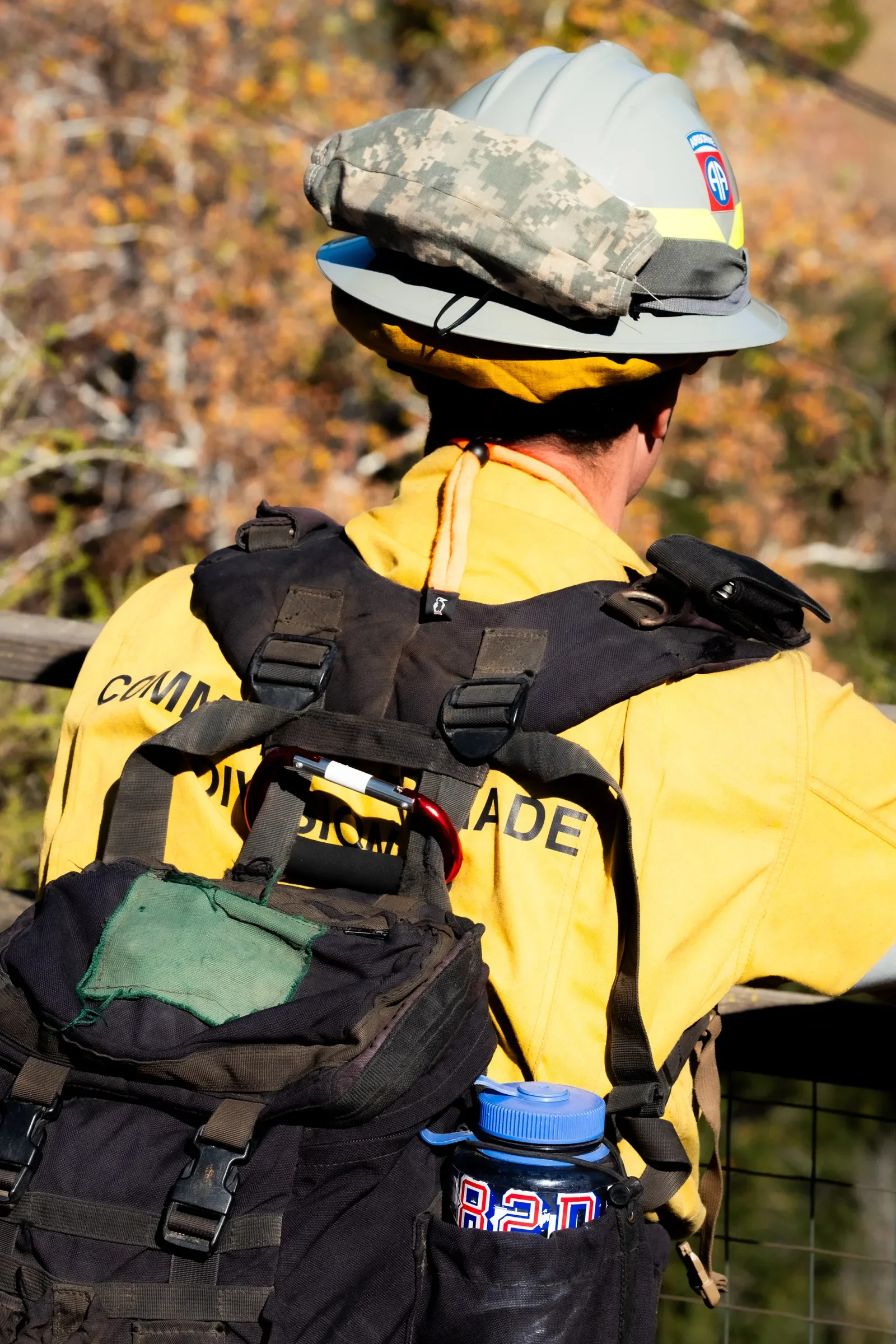
S-131 Advanced Firefighter
This course builds upon the foundational skills of entry-level wildland firefighters and prepares participants for increased leadership and operational responsibilities on the fireline. Topics include advanced fireline tactics, situational awareness, risk management, and working effectively within the Incident Command System. Emphasis is placed on decision-making, crew coordination, and maintaining firefighter safety during complex fire operations.
Functional Exercise
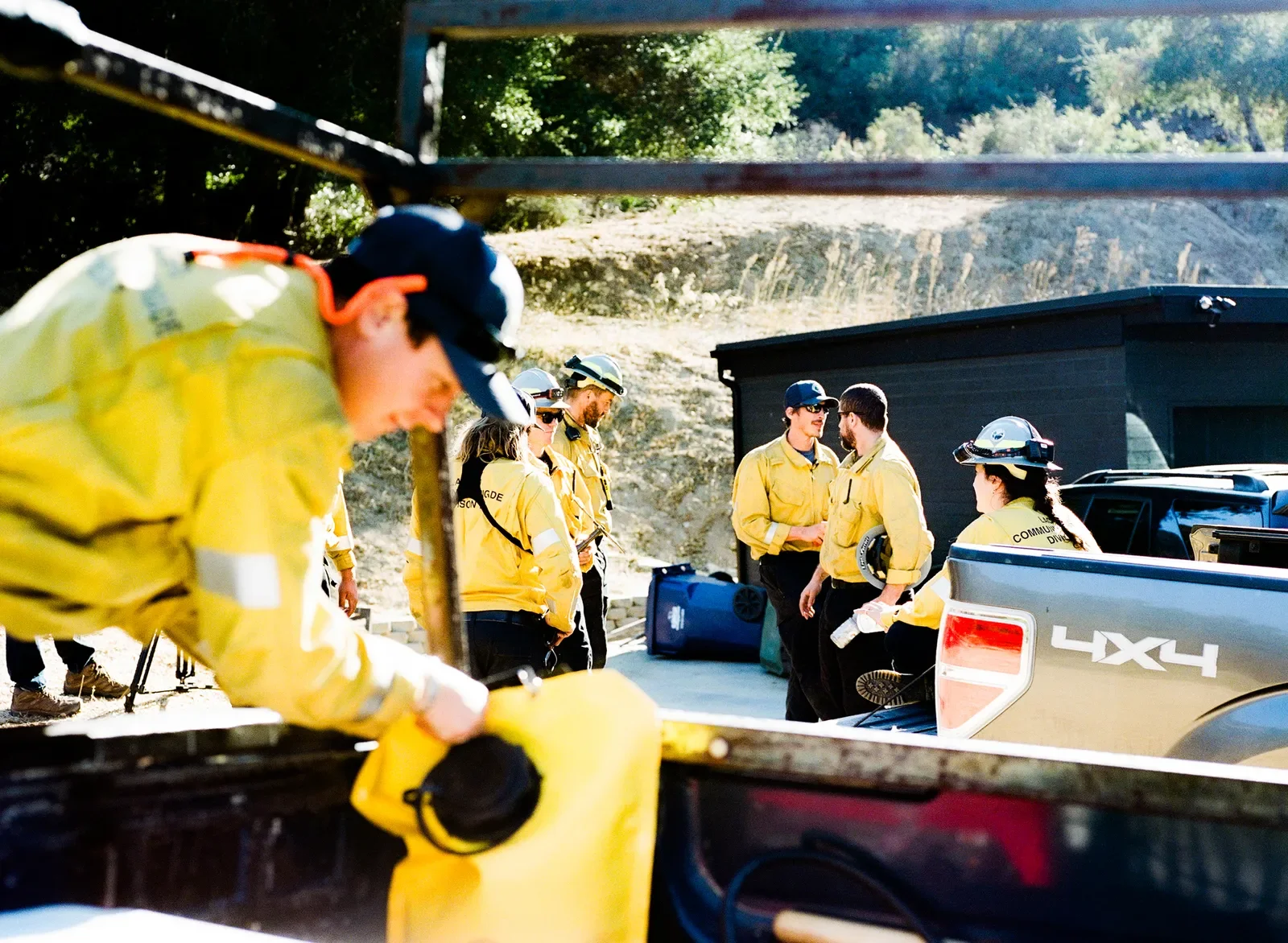
This is where training becomes real. The Functional Exercise is a full-scale, hands-on simulation where volunteers step into the role of firefighters and operate as a coordinated brigade in the field. Participants rotate through multiple stations, each designed to replicate real-world scenarios—ranging from hose deployment and water relay to structure triage, communications, and field operations. Teams must think, move, and respond together under realistic conditions.
Firefighter II
Includes: S-110, S-130, S-190, L-180, ICS-100
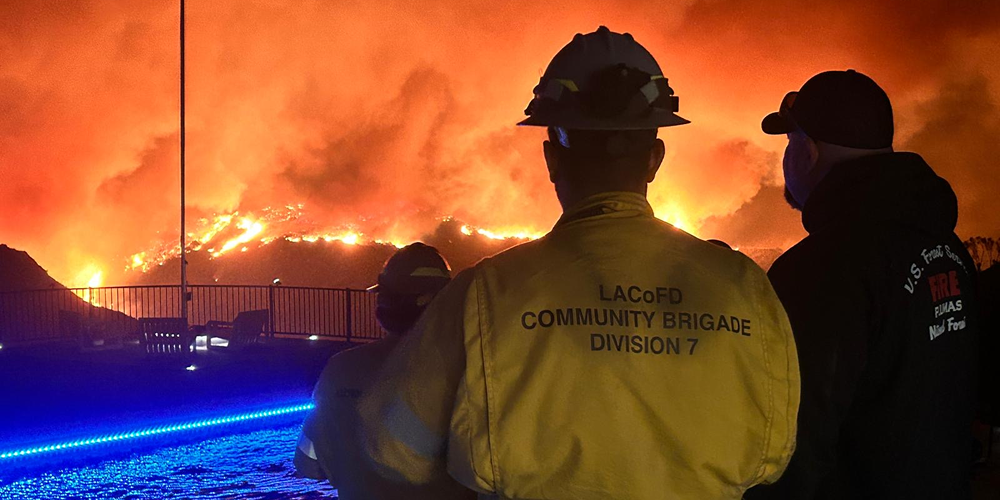
This course provides participants with the foundational knowledge and skills required to serve as a wildland firefighter. Topics include basic wildland fire suppression tactics, fire behavior, firefighter safety, human factors, and the fundamentals of the Incident Command System. Through classroom instruction and field exercises, participants will learn to operate safely and effectively as members of a wildland fire crew.
Tabletop Exercise Pre-Training
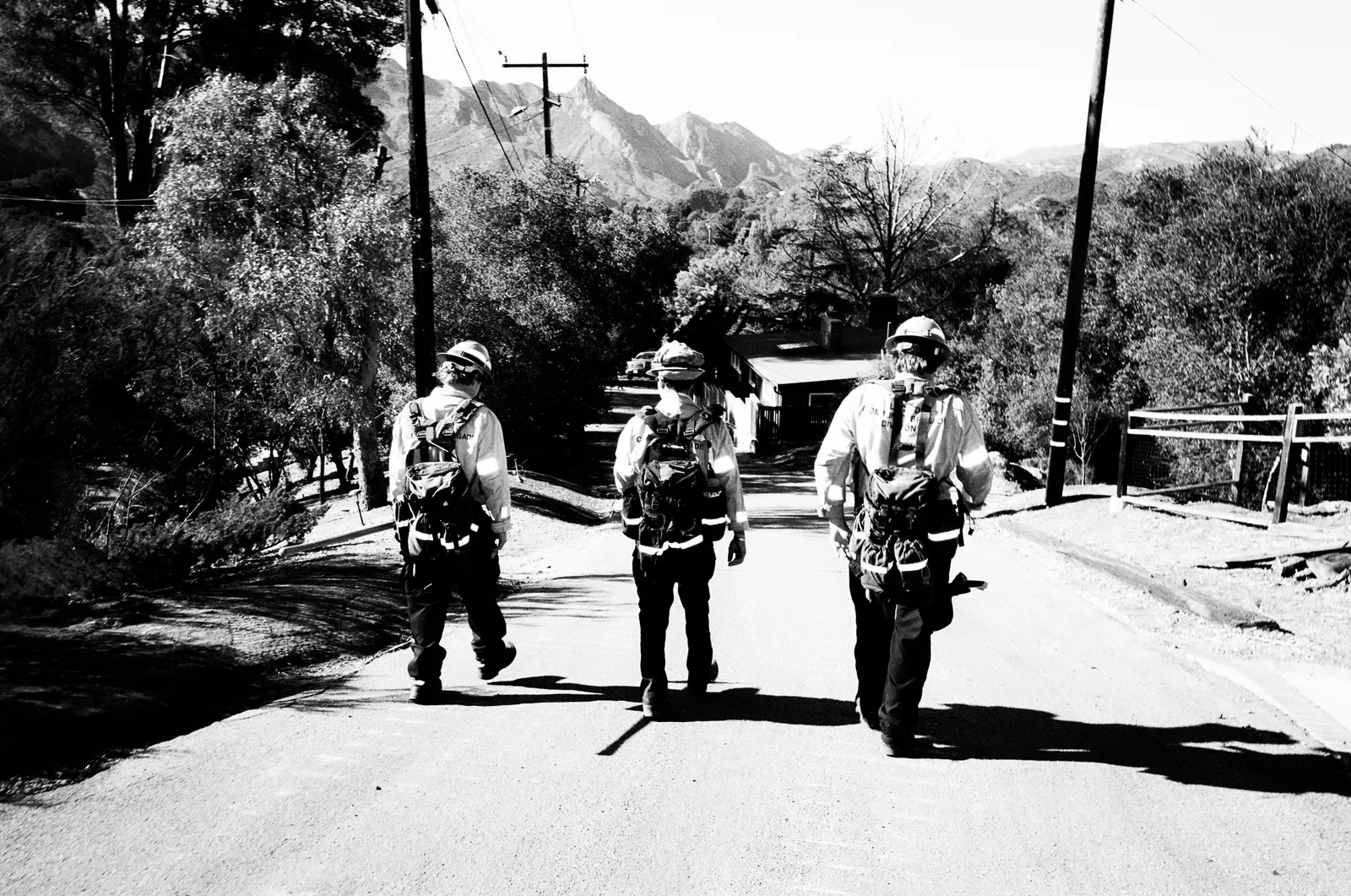
This pre-training prepares participants for the tabletop exercise by building team cohesion and aligning procedures with Brigade and LACoFD operations. Participants will review check-in and check-out protocols and learn how to complete key ICS forms, including the ICS-213 for equipment requests and the ICS-214 for time and activity tracking.
RT-130 Annual Refresher
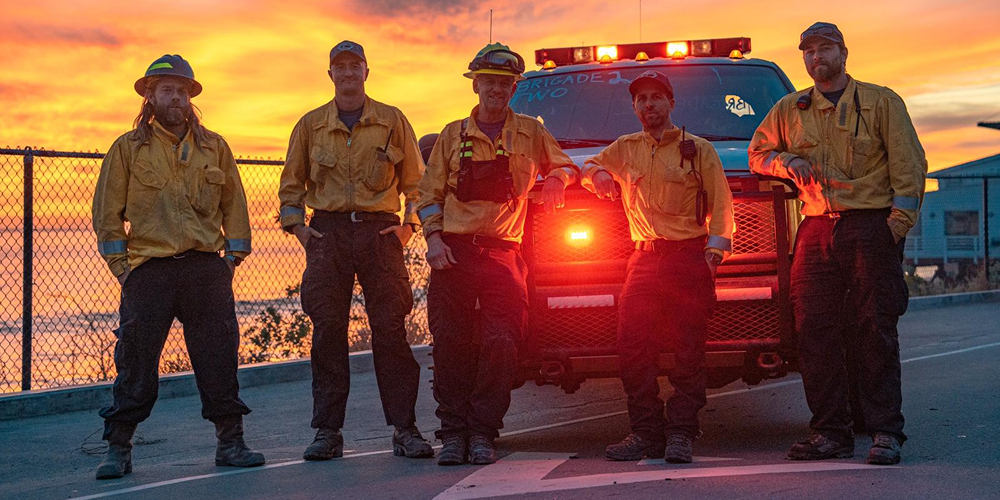
This course provides the required annual refresher training for wildland firefighters to maintain currency and readiness for the fire season. Topics include fire shelter deployment review, entrapment avoidance, current fire environment considerations, and lessons learned from recent incidents. The course emphasizes maintaining critical safety principles such as the LCES system and the 10 Standard Firefighting Orders.
Contact us
If you have any questions, please contact us below.
Select “Sign up for news and updates” to subscribe to our mailing list.